Nepal's LDC Graduation Nov 24: What Rug Importers Must Know
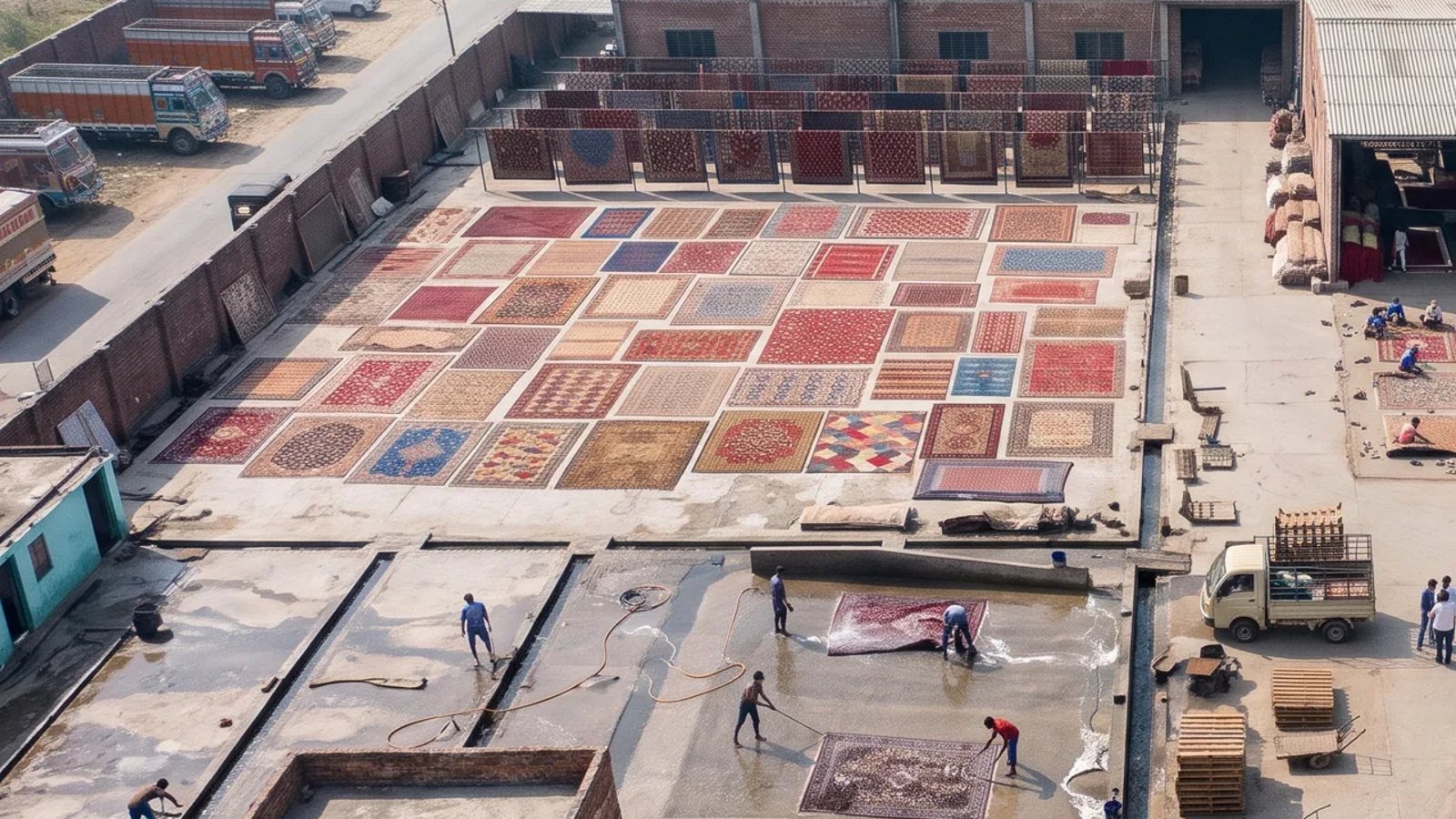
Nepal's LDC Graduation Nov 24: What Rug Importers Must Know


In short
- Nepal is scheduled to graduate from Least Developed Country status on November 24, 2026.
- Graduation can change the trade preferences a country qualifies for over time, which is why rug importers are watching it.
- This note states no duty rate, tariff percentage, GSP figure or HS code duty number, because those must be confirmed against current official sources before you rely on them.
- We make on our own looms in both Nepal and India, so partners keep a routing option whatever the terms turn out to be.
What LDC graduation actually is
LDC stands for Least Developed Country, a United Nations category for economies that meet certain income, human asset and economic vulnerability thresholds. Countries move out of the category, or graduate, once they pass those thresholds for long enough. The Nepal LDC graduation is scheduled to take effect on November 24, 2026, which is why the Nepal LDC graduation is a live question for anyone who imports handmade carpets from the region.
Graduation is a milestone for the country, not a switch that rewrites the craft. The looms, the weavers and the knots are the same the day after as the day before. What can shift, over a transition period, is the set of trade preferences a graduated country qualifies for in certain markets. That is the part rug importers need to understand, and it is the part where numbers must come from current official sources rather than from a blog post.
What it may mean for rug importers
Handmade rugs cross borders under customs classifications, and the terms that apply depend on the destination country, the classification used, and whether any preference scheme is in play. Several of those terms can be linked to a country's development status. When a country graduates from LDC status, the preference programs it is eligible for may be reviewed or phased over time. The practical effect varies by market, and it is rarely instant.
Why we will not print a number
You will see figures circulating about what the Nepal carpet industry faces after graduation. We are deliberately not repeating any duty rate, tariff percentage, Nepal GSP figure or HS code rugs duty number here, because those depend on your destination market and on rules that can change. Treat any specific number you read, including ours if we printed one, as something to verify. Current duty rates and preference eligibility should be confirmed with official customs and trade authorities before you order or quote.
Classification still matters
Whatever the preference picture, the right customs classification for your product still drives the terms you pay. Confirm the correct HS code rugs classification for each construction with your broker, because a hand-knotted wool piece and a tufted piece are not always treated the same way, and the destination country has the final say.
The Nepal carpet industry is not going anywhere
It helps to separate the trade headline from the ground reality. The Nepal carpet industry is one of the oldest and most skilled hand-knotting bases in the world, and the Tibetan knot woven there is a genuine specialty. A change in a country's development status does not remove that skill or close those workshops. Demand for well-made handmade rugs is driven by designers, importers and hospitality buyers who care about construction, not by which category a country sits in.
We weave in Nepal ourselves, on our own looms, so this is not a view from the outside. The craft is intact. The conversation importers should be having is about terms and routing, not about whether the Nepal carpet industry can still deliver the work. It can.
Keep a routing option open
Contact us
Why a Nepal plus India maker is a hedge
Our two-country structure is what matters to rug importers. We are a manufacturer with our own looms in both Nepal and India, roughly 200 looms and around 500 weavers across the two countries. Many of the same constructions, including hand-knotted wool, can be woven in either place. Our founder, Shahid Ali Shah, brought the Tibetan knot to India, so the know-how travels across both bases.
Two production bases give partners options that a single-country supplier cannot. If the terms into your market favor one origin for a given program, we can discuss weaving that order in the origin that makes sense for you, without changing supplier, quality standard or point of contact. That is what we mean by two-country routing: one maker, two origins, a plan that adapts to the terms you actually face rather than the ones anyone guessed at.
- One relationship, two manufacturing origins to route against.
- Comparable constructions available from either Nepal or India.
- Consistent quality control and a single commercial contact across both.
What to confirm before you order
Graduation is a reason to check your assumptions, not a reason to pause good sourcing. Here is a short list to work through with your own advisers before you commit.
- Confirm current duty rates and any preference eligibility for your destination market with official customs or trade authorities. Do not rely on figures from secondary sources, including this page.
- Confirm the correct HS code rugs classification for each construction with your customs broker.
- Ask whether any transition or phase-in period applies after the Nepal LDC graduation for the programs you use.
- Map which of your products could be woven in either Nepal or India, so you have a routing option ready.
- Keep documentation of origin clean and consistent, since origin is what preference and classification rules hang on.
Once you have the confirmed terms in front of you, we can help with the production side. Send us the schedule and the constructions, and we will talk through where each piece is best woven.
Frequently asked questions
When is Nepal scheduled to graduate from LDC status?+
Will LDC graduation change the duty I pay on Nepali rugs?+
What HS code applies to handmade rugs after graduation?+
Does Nepal still qualify for GSP after graduation?+
Is the Nepal carpet industry still a good place to source rugs?+
How does a Nepal plus India maker help importers hedge?+
Related pages and guides
Keep a routing option open
Confirm your terms with your own advisers, then send us the schedule and constructions. With our own looms in Nepal and India, we can talk through where each piece is best woven.
Contact us